









Read Dr. Beth's Latest Article:
Healing the MicrobiomeDr. Beth Recommends these products:





Healing the Microbiome
The Microbiome: A Diverse Universe of Life
The human microbiome is a vast ecosystem.Trillions of microorganisms—bacteria, viruses, fungi, and other microbes—are living in and on our bodies. It encompasses the collective genetic material of all the microbes that inhabit our body, with the largest concentrations found in the gut, skin, mouth, and other mucosal surfaces. Scientists have identified over 1,000 different species of bacteria alone, and each plays a specific role in keeping us healthy.
To understand why the microbiome is so important, it’s crucial to first understand its diversity. Different regions of our body host different types of microorganisms. For example, the microbiome in our gut is primarily composed of bacteria, which help digest food, synthesize essential vitamins, and support our immune system.
On the skin, bacteria, fungi, and viruses interact with the environment and contribute to our skin’s health, while the mouth harbors microbes that play key roles in dental health and the immune response.
The Oral Microbiome
Different bacteria live on the teeth, on gums and on tongue. Specifically, the oral microbiome helps us convert nitrate from our diet into nitrite and then from nitrite your body can take it to nitric oxide which dilates blood vessels," which is key to lowering blood pressure.
Microbiome and Digestion
One of the most well-known and significant roles the microbiome plays is in digestion. Our digestive system is home to trillions of bacteria that help break down food, absorb nutrients, and even influence how much energy we gain from the foods we eat. These microbes digest food that we cannot.
Gut bacteria also play an important role in synthesizing essential vitamins, such as B vitamins and vitamin K, which our bodies cannot produce on their own. Some microbes also help to detoxify harmful substances, making the microbiome a powerful ally in protecting us from disease.
Immune System: Allies in Protection
The microbiome is intimately linked with our immune system. The gut alone contains about 70% of the body’s immune cells. In fact, our gut bacteria act as sentinels, training our immune system to distinguish between harmful invaders and harmless substances. This balance is critical in preventing overreactions, such as autoimmune diseases, or underreactions, which could leave us vulnerable to infections.
A healthy microbiome helps maintain this balance by promoting the production of anti-inflammatory molecules and keeping harmful bacteria in check. On the flip side, an imbalanced microbiome, a condition known as dysbiosis, has been linked to a range of autoimmune disorders, allergies, and chronic inflammatory conditions like Crohn’s disease and rheumatoid arthritis.
The Brain-Gut Connection:
The gut-brain axis, and it’s a rapidly growing area of research. The gut microbiome produces a range of neurotransmitters, including serotonin, which plays a significant role in mood regulation.
About 90% of the body’s serotonin is produced in the gut, not the brain. This discovery has led to the realization that the gut microbiome could influence conditions such as anxiety, depression, and even autism spectrum disorders.
The Microbiome and Chronic Diseases
Scientists have uncovered its involvement in a range of chronic diseases, including obesity, diabetes, cardiovascular disease, and even cancer. The balance of gut bacteria can impact how our bodies store fat, regulate blood sugar, and manage inflammation—all of which are crucial factors in these conditions.
Studies have shown that people with type 2 diabetes often have different microbial compositions compared to healthy individuals. These differences could contribute to insulin resistance and other metabolic problems, suggesting that microbiome interventions might one day play a role in treating or preventing diabetes.
Microbiome and Weight loss
A new study published in Nature Medicine suggests that one particular gut microbe may help to prevent weight regain.
The bacterium, called Akkermansia muciniphila, is an abundant species in the human gut microbiome. It lives in the mucus layer that lines the gut. It's able to feed on mucin (the proteins and sugars that make up this mucus), and is thought to play a role in maintaining the gut's protective barrier and can also influence metabolism.
Akkermansia muciniphila has attracted attention in microbiome research in recent years due to its association with improved health outcomes across multiple diseases.
Lower levels of Akkermansia muciniphila are observed in people with obesity and type 2 diabetes.
Akkermansia may naturally increase GLP-1. The hormone that boosts metabolism and makes you feel full.
A recent study investigated whether supplementing people with Akkermansia muciniphila after weight loss could help limit subsequent weight regain.
Low levels of Akkermansia can be caused by a diet low in polyphenols and soluble fiber, but high in processed foods, added sugar, and harmful fats like omega 6. Aging, antibiotic use, chronic stress, sedentary lifestyle, and metabolic disorders can also impact the gut microbiota composition, including Akkermansia levels.
Modern Life and Our Microbiome
While the microbiome is a critical component of human health, modern life is having a profound impact on its composition. Factors like antibiotics, diet (especially processed foods, sugar and excess Omega-6), and stress (elevated cortisol ) are influencing the delicate balance of our microbial ecosystem.
Antibiotics. Their overuse has disrupted the microbiome, killing off not only harmful bacteria but also beneficial ones. This disruption can lead to conditions like antibiotic-resistant infections and gastrointestinal problems. In some cases, it has been linked to chronic diseases, as a disrupted microbiome may fail to provide adequate protection against harmful invaders.
A diet high in processed foods, sugar, and unhealthy fats can promote the growth of harmful bacteria and fungi, while a diet rich in fiber, fruits, and vegetables supports beneficial bacteria. The modern Western diet, with its emphasis on convenience and fast food, has been shown to create an imbalanced microbiome that may contribute to a host of chronic conditions, including obesity, heart disease, and diabetes.
Stress, too, has a negative effect on the microbiome. Chronic stress can lead to an overproduction of cortisol, a hormone that alters the balance of gut bacteria. This can lead to digestive issues, inflammation, and even a weakened immune response, showing just how interconnected our physical and mental states are.
Restoring a healthy microbiome includes Probiotics, Prebiotics (compounds that feed good bacteria like fiber), and even fecal transplants (transferring microbiota from a healthy individual to a patient) are already showing promise in treating conditions like irritable bowel syndrome, C. difficile infections, and inflammatory bowel disease.
As we learn more about how the microbiome influences every aspect of our health, it’s likely that microbiome-based medicine will become an integral part of healthcare in the future. Tailored interventions, such as personalized microbiome therapies, could one day become as commonplace as prescriptions for antibiotics.
Menopause Triggers Microbiome Upset
Combination of lower levels of estrogen and cortisol = Disruption in microbiome = weight gain.
Everyone blames declining estrogen and high cortisol for the stubborn belly fat, but there's actually a deeper issue. When estrogen drops after age 35-40, the gut lining weakens and higher cortisol suppresses immune function, which makes the body more prone to bacterial overgrowth. And when bad bacteria multiply, they build protective protein layers on the gut walls called biofilms that block nutrient absorption. So the body can't access what it needs because this barrier is physically blocking everything.
When the body isn't getting proper nutrients, it interprets this as starvation and raises cortisol even higher to signal "find food, store energy." So cortisol isn't just elevated from stress anymore, it's being artificially raised because the biofilm is blocking nutrients making you hungry for nutrients which makes you want to eat more.
Elevated cortisol directs fat storage straight to the belly because that area has 4 times more cortisol receptors than other fat tissue!!!
S0.... the biofilm creates a cortisol loop. Bacteria blocks absorption which raises cortisol which suppresses immunity which lets more bad bacteria grow.
This triggers cravings for quick energy like sugar and carbs because its desperate for quick nutrients. And because high cortisol suppresses the immune system, the body can't fight off the bad bacteria building the biofilms.
Biofilms build, nutrient absorption gets worse, cortisol rises higher, and more fat gets stored around the belly. And this becomes a self-perpetuating loop, and it's why clean eating, exercise, or even fasting don't work on their own because the biofilm barrier keeps the body locked in starvation mode directing everything to belly storage.
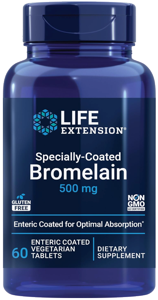
One natural compound proven to dissolve these protein structures is bromelain from pineapple and especially the stems. Studies show it breaks down the biofilm shields so nutrients can finally absorb and the body can exit starvation mode.
But to get the research-backed amount, you'd need to eat 2+ pineapple stems a day. (800 to 1,000 mg) The amount of bromelain in a cup of pineapple varies, but generally contains between 200-500 milligrams, with the highest concentration found in the core. Fresh or frozen.
Bromelain capsules are 500 mg each.
Once the biofilm is cleared, the body stops sending the starvation signal, cortisol comes down, and the belly can release the fat it's been storing as emergency reserves because it's no longer in panic mode.
What we typically see is the belly starting to shrink within 2-3 weeks as the biofilm breaks down and cortisol rebalances, and with consistent use the fat loss continues over time.
Cruciferous veggies also play a huge role not only for it’s beneficial effect on estrogen but also it’s fiber content. Aim to eat one serving daily... only 1/2 cup.
Probiotics... many different strains,,,, switch out brands so you get different strains introduced into the body.
L-glutamine can be very helpful for healing the gut microbiome. (Esp. leaky gut)
Your gut produces the same GLP-1 hormone that weight-loss drugs like Ozempic mimic, meaning your body already has the natural machinery for appetite control and fat burning.
Damage from seed oils and low-fiber diets weakens your gut barrier, disrupts GLP-1 signaling, and causes inflammation that blocks weight loss
Restoring gut health begins with repairing the barrier, reducing Omega-6, and gradually reintroducing diverse fibers to produce “Gut Gems” like butyrate that calm inflammation and stabilize metabolism
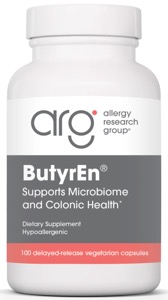
Butyrate available as a supplement.
Other ways to heal your microbiome.
1. Pile your plate with polyphenol-rich foods
Polyphenols are compounds found in plant foods that aren’t fully absorbed in our small intestine. That means they become food for the microbes in our colon, who transform them into substances with prebiotic, anti-inflammatory, anti-oxidative, anti-carcinogenic, and anti-microbial properties. Polyphenol-rich foods include colorful fruits like berries, plums (REDS!) and vegetables (artichoke), cocoa powder, dark chocolate, nuts, green and black tea, olive oil, grapes, quercetin, lignans such as in ground flax, resveratrol, chili peppers, and cloves.
2. Get a regular sleep routine
Research on the microbiome has shown that our gut’s microbial residents have a sleep routine of their own. One study found that the gut flora of people with jet lag showed higher numbers of bacteria associated with obesity and metabolic disease. Other studies have found that a diverse gut microbiome promotes healthier sleep. Healthy gut improves GABA receptors which aids in deep sleep. Valerian Root also helps improve GABA receptors. You can also take GABA.
Sleep Maintenance - Ashwagandha (lowers cortisol) plus L-theanine and jujube
Deep breathing (breathwork) is a great way to lower your cortisol (and blood pressure) at bedtime or if you wake up at night.
3. Ditch the standard Western diet
The evidence for the devastating effect of a processed, high-sugar, low-fiber modern diet on our health continues to mount up. A recent study described our 21st-century diets as “an evolutionarily unique selection ground for microbes that can promote diverse forms of inflammatory disease.” This means that the bad bacteria in our guts appear to love our nutrient deficient diets, while the all-important good ones suffer. Avoid processed food, eating out and especially fast food.
4. Get some exercise, but not too much
Moderate exercise has a direct effect on our gut bacteria, who in turn improve our tissue metabolism, cardiorespiratory fitness, and insulin resistance. However, too much heavy exercise is a threat, which invokes the stress response, thus reducing our gut flora diversity.
Ideal is a 30-40 minute walk every day. Aim for about 2 miles.
5. Double your fiber intake (optimal is 25 grams for women and over 35 grams for men) Standard American Diet only provides 11-15 grams.
Needed for our gut flora. Fiber is essentially a pre-biotic, giving good bacteria food and a place to live on. A low-fiber diet can trigger a substantial dip in the diversity of our gut flora, increasing the risk of metabolic syndrome and obesity-related disease, Crohn’s disease, ulcerative colitis, liver disease, and colorectal cancer.
Psyllium husk powder or freshly ground flax seeds are good options. Simply take it in some water in the morning, or sprinkle on your cottage cheese. Add it to your smoothies, cottage cheese or salads. Incorporate freshly ground flax into your all your baked goods, pancakes, meat loaf, meat balls, and more!
Flax has the added benefit of helping balance our estrogen levels.
Fiber is needed for the gut to produce Butyrate which is needed for a healthy microbiome. Turns out Butyrate Fuels Natural GLP-1 production in the body. Which is how the weight loss injections work! GLP-1 slows down digestion, makes you feel full longer, lowers blood sugar and more!
Butyrate is available in supplement form.
Lentils - 20 grams per cup
Navy beans - 14 grams per cup
Kidney beans - 13 grams per cup
Ground Flax seeds - 11 grams per 1/4 cup serving (4 TBS)
5.5 grams in 2 TBS
Chia seeds - 10 grams per ounce
Acorn squash - 9 grams per one cup
Avocado - 9 grams per medium sized fruit
Peas - 8 grams per cup
Pinto beans - 7.5 grams per cup
Sunflower seeds- 6 grams per 1/2 cup
Quinoa - 5 grams per cup
Carrots - 5 grams per cup
Apple - 4.4 grams in one medium sized
Almonds - 4 grams per 1/4 cup
Whole grain pasta - 4 grams per cup (cooked)
Oats - 4 grams per cup
Brussels sprouts - 3 grams per cup
Strawberries - 3 grams per cup
Broccoli - 2.5 grams per cup
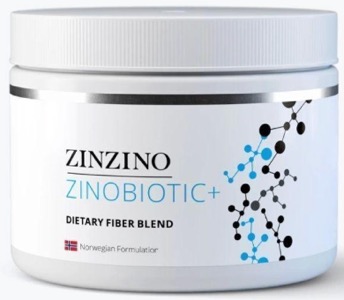
Zinobiotic - 5 grams per serving/ 8 different types of fiber
For severe gut issues you may need to go slow in increasing fiber intake.
6. Ban added sugar from your life
Sugar is very bad for your microbiome. it encourage specific families of “BAD” bacteria to ‘take over’, crowd others out and tip a balanced gut into dysbiosis.
High-sugar diets result in lost gut microbial diversity, and leakier guts: Alcohol (basically a form of sugar) also has a highly detrimental effect on the microbiome. At least red wine has polyphenols.
7. Eat fermented foods
The fermentation process activates immunoglobulins, antibacterial peptides, antimicrobial proteins, oligosaccharides, lipids, and short amino acid sequences (depending on the particular food). Together, these appear to have antioxidant, antihypertensive, antimicrobial, and other bioactive effects. full fat plain yogurt, kefir, sourcrout, sourdough bread.
8. Ditch the artificial sweeteners (splenda, sucralase, etc.)
Artificial sweeteners are bad news. They damage the microbiome, and recent research paper found that they cause glucose intolerance in some groups of people. (Stevia and Monk fruit are OK)
9. De-stress
When we’re stressed, our bodies release a cocktail of hormones that prepare us to fight, flight or freeze, which then impacts our microbiome. Stress is useful for running away from lions, but disastrous for our gut flora in the long term.
10. Fast
We can help our gut flora by not eating. (72 hours) One study in mice found that changes in the microbiome as a result of fasting were associated with increases in gut mucus (a good thing), numbers of goblet cells (the cells that produce mucus) and length of villi (the finger-like structures on the lining of your gut that help to absorb nutrients)
11. Ditch the Plastics and the Pesticides
Microplastics and pesticides are a huge problem for the microbiome. They are endocrine (hormone) disruptors which are directly related to weight gain and problems with the microbiome.
Eat organic when possible,
Plastic bottles, cooking food in the microwave in plastic. plastic wrap, plastic baggies, are all leaching plastic particles into our bodies,
Also avoid styrofoam, expecially for heated items.
12. For stubborn gut issues try immunoglobulins like colostrum
13. Get some sunshine
Vitamin D is important to regulate gut disorders. Clinically, supplemental vitamin D can support a healthy gut and microbiome, especially in those with low vitamin D (less than 30 ng/mL).
The human microbiome is a vast ecosystem.Trillions of microorganisms—bacteria, viruses, fungi, and other microbes—are living in and on our bodies. It encompasses the collective genetic material of all the microbes that inhabit our body, with the largest concentrations found in the gut, skin, mouth, and other mucosal surfaces. Scientists have identified over 1,000 different species of bacteria alone, and each plays a specific role in keeping us healthy.
To understand why the microbiome is so important, it’s crucial to first understand its diversity. Different regions of our body host different types of microorganisms. For example, the microbiome in our gut is primarily composed of bacteria, which help digest food, synthesize essential vitamins, and support our immune system.
On the skin, bacteria, fungi, and viruses interact with the environment and contribute to our skin’s health, while the mouth harbors microbes that play key roles in dental health and the immune response.
The Oral Microbiome
Different bacteria live on the teeth, on gums and on tongue. Specifically, the oral microbiome helps us convert nitrate from our diet into nitrite and then from nitrite your body can take it to nitric oxide which dilates blood vessels," which is key to lowering blood pressure.
Microbiome and Digestion
One of the most well-known and significant roles the microbiome plays is in digestion. Our digestive system is home to trillions of bacteria that help break down food, absorb nutrients, and even influence how much energy we gain from the foods we eat. These microbes digest food that we cannot.
Gut bacteria also play an important role in synthesizing essential vitamins, such as B vitamins and vitamin K, which our bodies cannot produce on their own. Some microbes also help to detoxify harmful substances, making the microbiome a powerful ally in protecting us from disease.
Immune System: Allies in Protection
The microbiome is intimately linked with our immune system. The gut alone contains about 70% of the body’s immune cells. In fact, our gut bacteria act as sentinels, training our immune system to distinguish between harmful invaders and harmless substances. This balance is critical in preventing overreactions, such as autoimmune diseases, or underreactions, which could leave us vulnerable to infections.
A healthy microbiome helps maintain this balance by promoting the production of anti-inflammatory molecules and keeping harmful bacteria in check. On the flip side, an imbalanced microbiome, a condition known as dysbiosis, has been linked to a range of autoimmune disorders, allergies, and chronic inflammatory conditions like Crohn’s disease and rheumatoid arthritis.
The Brain-Gut Connection:
The gut-brain axis, and it’s a rapidly growing area of research. The gut microbiome produces a range of neurotransmitters, including serotonin, which plays a significant role in mood regulation.
About 90% of the body’s serotonin is produced in the gut, not the brain. This discovery has led to the realization that the gut microbiome could influence conditions such as anxiety, depression, and even autism spectrum disorders.
The Microbiome and Chronic Diseases
Scientists have uncovered its involvement in a range of chronic diseases, including obesity, diabetes, cardiovascular disease, and even cancer. The balance of gut bacteria can impact how our bodies store fat, regulate blood sugar, and manage inflammation—all of which are crucial factors in these conditions.
Studies have shown that people with type 2 diabetes often have different microbial compositions compared to healthy individuals. These differences could contribute to insulin resistance and other metabolic problems, suggesting that microbiome interventions might one day play a role in treating or preventing diabetes.
Microbiome and Weight loss
A new study published in Nature Medicine suggests that one particular gut microbe may help to prevent weight regain.
The bacterium, called Akkermansia muciniphila, is an abundant species in the human gut microbiome. It lives in the mucus layer that lines the gut. It's able to feed on mucin (the proteins and sugars that make up this mucus), and is thought to play a role in maintaining the gut's protective barrier and can also influence metabolism.
Akkermansia muciniphila has attracted attention in microbiome research in recent years due to its association with improved health outcomes across multiple diseases.
Lower levels of Akkermansia muciniphila are observed in people with obesity and type 2 diabetes.
Akkermansia may naturally increase GLP-1. The hormone that boosts metabolism and makes you feel full.
A recent study investigated whether supplementing people with Akkermansia muciniphila after weight loss could help limit subsequent weight regain.
Low levels of Akkermansia can be caused by a diet low in polyphenols and soluble fiber, but high in processed foods, added sugar, and harmful fats like omega 6. Aging, antibiotic use, chronic stress, sedentary lifestyle, and metabolic disorders can also impact the gut microbiota composition, including Akkermansia levels.
Modern Life and Our Microbiome
While the microbiome is a critical component of human health, modern life is having a profound impact on its composition. Factors like antibiotics, diet (especially processed foods, sugar and excess Omega-6), and stress (elevated cortisol ) are influencing the delicate balance of our microbial ecosystem.
Antibiotics. Their overuse has disrupted the microbiome, killing off not only harmful bacteria but also beneficial ones. This disruption can lead to conditions like antibiotic-resistant infections and gastrointestinal problems. In some cases, it has been linked to chronic diseases, as a disrupted microbiome may fail to provide adequate protection against harmful invaders.
A diet high in processed foods, sugar, and unhealthy fats can promote the growth of harmful bacteria and fungi, while a diet rich in fiber, fruits, and vegetables supports beneficial bacteria. The modern Western diet, with its emphasis on convenience and fast food, has been shown to create an imbalanced microbiome that may contribute to a host of chronic conditions, including obesity, heart disease, and diabetes.
Stress, too, has a negative effect on the microbiome. Chronic stress can lead to an overproduction of cortisol, a hormone that alters the balance of gut bacteria. This can lead to digestive issues, inflammation, and even a weakened immune response, showing just how interconnected our physical and mental states are.
Restoring a healthy microbiome includes Probiotics, Prebiotics (compounds that feed good bacteria like fiber), and even fecal transplants (transferring microbiota from a healthy individual to a patient) are already showing promise in treating conditions like irritable bowel syndrome, C. difficile infections, and inflammatory bowel disease.
As we learn more about how the microbiome influences every aspect of our health, it’s likely that microbiome-based medicine will become an integral part of healthcare in the future. Tailored interventions, such as personalized microbiome therapies, could one day become as commonplace as prescriptions for antibiotics.
Menopause Triggers Microbiome Upset
Combination of lower levels of estrogen and cortisol = Disruption in microbiome = weight gain.
Everyone blames declining estrogen and high cortisol for the stubborn belly fat, but there's actually a deeper issue. When estrogen drops after age 35-40, the gut lining weakens and higher cortisol suppresses immune function, which makes the body more prone to bacterial overgrowth. And when bad bacteria multiply, they build protective protein layers on the gut walls called biofilms that block nutrient absorption. So the body can't access what it needs because this barrier is physically blocking everything.
When the body isn't getting proper nutrients, it interprets this as starvation and raises cortisol even higher to signal "find food, store energy." So cortisol isn't just elevated from stress anymore, it's being artificially raised because the biofilm is blocking nutrients making you hungry for nutrients which makes you want to eat more.
Elevated cortisol directs fat storage straight to the belly because that area has 4 times more cortisol receptors than other fat tissue!!!
S0.... the biofilm creates a cortisol loop. Bacteria blocks absorption which raises cortisol which suppresses immunity which lets more bad bacteria grow.
This triggers cravings for quick energy like sugar and carbs because its desperate for quick nutrients. And because high cortisol suppresses the immune system, the body can't fight off the bad bacteria building the biofilms.
Biofilms build, nutrient absorption gets worse, cortisol rises higher, and more fat gets stored around the belly. And this becomes a self-perpetuating loop, and it's why clean eating, exercise, or even fasting don't work on their own because the biofilm barrier keeps the body locked in starvation mode directing everything to belly storage.
One natural compound proven to dissolve these protein structures is bromelain from pineapple and especially the stems. Studies show it breaks down the biofilm shields so nutrients can finally absorb and the body can exit starvation mode.
But to get the research-backed amount, you'd need to eat 2+ pineapple stems a day. (800 to 1,000 mg) The amount of bromelain in a cup of pineapple varies, but generally contains between 200-500 milligrams, with the highest concentration found in the core. Fresh or frozen.
Bromelain capsules are 500 mg each.
Once the biofilm is cleared, the body stops sending the starvation signal, cortisol comes down, and the belly can release the fat it's been storing as emergency reserves because it's no longer in panic mode.
What we typically see is the belly starting to shrink within 2-3 weeks as the biofilm breaks down and cortisol rebalances, and with consistent use the fat loss continues over time.
Cruciferous veggies also play a huge role not only for it’s beneficial effect on estrogen but also it’s fiber content. Aim to eat one serving daily... only 1/2 cup.
Probiotics... many different strains,,,, switch out brands so you get different strains introduced into the body.
L-glutamine can be very helpful for healing the gut microbiome. (Esp. leaky gut)
Your gut produces the same GLP-1 hormone that weight-loss drugs like Ozempic mimic, meaning your body already has the natural machinery for appetite control and fat burning.
Damage from seed oils and low-fiber diets weakens your gut barrier, disrupts GLP-1 signaling, and causes inflammation that blocks weight loss
Restoring gut health begins with repairing the barrier, reducing Omega-6, and gradually reintroducing diverse fibers to produce “Gut Gems” like butyrate that calm inflammation and stabilize metabolism
Butyrate available as a supplement.
Other ways to heal your microbiome.
1. Pile your plate with polyphenol-rich foods
Polyphenols are compounds found in plant foods that aren’t fully absorbed in our small intestine. That means they become food for the microbes in our colon, who transform them into substances with prebiotic, anti-inflammatory, anti-oxidative, anti-carcinogenic, and anti-microbial properties. Polyphenol-rich foods include colorful fruits like berries, plums (REDS!) and vegetables (artichoke), cocoa powder, dark chocolate, nuts, green and black tea, olive oil, grapes, quercetin, lignans such as in ground flax, resveratrol, chili peppers, and cloves.
2. Get a regular sleep routine
Research on the microbiome has shown that our gut’s microbial residents have a sleep routine of their own. One study found that the gut flora of people with jet lag showed higher numbers of bacteria associated with obesity and metabolic disease. Other studies have found that a diverse gut microbiome promotes healthier sleep. Healthy gut improves GABA receptors which aids in deep sleep. Valerian Root also helps improve GABA receptors. You can also take GABA.
Sleep Maintenance - Ashwagandha (lowers cortisol) plus L-theanine and jujube
Deep breathing (breathwork) is a great way to lower your cortisol (and blood pressure) at bedtime or if you wake up at night.
3. Ditch the standard Western diet
The evidence for the devastating effect of a processed, high-sugar, low-fiber modern diet on our health continues to mount up. A recent study described our 21st-century diets as “an evolutionarily unique selection ground for microbes that can promote diverse forms of inflammatory disease.” This means that the bad bacteria in our guts appear to love our nutrient deficient diets, while the all-important good ones suffer. Avoid processed food, eating out and especially fast food.
4. Get some exercise, but not too much
Moderate exercise has a direct effect on our gut bacteria, who in turn improve our tissue metabolism, cardiorespiratory fitness, and insulin resistance. However, too much heavy exercise is a threat, which invokes the stress response, thus reducing our gut flora diversity.
Ideal is a 30-40 minute walk every day. Aim for about 2 miles.
5. Double your fiber intake (optimal is 25 grams for women and over 35 grams for men) Standard American Diet only provides 11-15 grams.
Needed for our gut flora. Fiber is essentially a pre-biotic, giving good bacteria food and a place to live on. A low-fiber diet can trigger a substantial dip in the diversity of our gut flora, increasing the risk of metabolic syndrome and obesity-related disease, Crohn’s disease, ulcerative colitis, liver disease, and colorectal cancer.
Psyllium husk powder or freshly ground flax seeds are good options. Simply take it in some water in the morning, or sprinkle on your cottage cheese. Add it to your smoothies, cottage cheese or salads. Incorporate freshly ground flax into your all your baked goods, pancakes, meat loaf, meat balls, and more!
Flax has the added benefit of helping balance our estrogen levels.
Fiber is needed for the gut to produce Butyrate which is needed for a healthy microbiome. Turns out Butyrate Fuels Natural GLP-1 production in the body. Which is how the weight loss injections work! GLP-1 slows down digestion, makes you feel full longer, lowers blood sugar and more!
Butyrate is available in supplement form.
Lentils - 20 grams per cup
Navy beans - 14 grams per cup
Kidney beans - 13 grams per cup
Ground Flax seeds - 11 grams per 1/4 cup serving (4 TBS)
5.5 grams in 2 TBS
Chia seeds - 10 grams per ounce
Acorn squash - 9 grams per one cup
Avocado - 9 grams per medium sized fruit
Peas - 8 grams per cup
Pinto beans - 7.5 grams per cup
Sunflower seeds- 6 grams per 1/2 cup
Quinoa - 5 grams per cup
Carrots - 5 grams per cup
Apple - 4.4 grams in one medium sized
Almonds - 4 grams per 1/4 cup
Whole grain pasta - 4 grams per cup (cooked)
Oats - 4 grams per cup
Brussels sprouts - 3 grams per cup
Strawberries - 3 grams per cup
Broccoli - 2.5 grams per cup
Zinobiotic - 5 grams per serving/ 8 different types of fiber
For severe gut issues you may need to go slow in increasing fiber intake.
6. Ban added sugar from your life
Sugar is very bad for your microbiome. it encourage specific families of “BAD” bacteria to ‘take over’, crowd others out and tip a balanced gut into dysbiosis.
High-sugar diets result in lost gut microbial diversity, and leakier guts: Alcohol (basically a form of sugar) also has a highly detrimental effect on the microbiome. At least red wine has polyphenols.
7. Eat fermented foods
The fermentation process activates immunoglobulins, antibacterial peptides, antimicrobial proteins, oligosaccharides, lipids, and short amino acid sequences (depending on the particular food). Together, these appear to have antioxidant, antihypertensive, antimicrobial, and other bioactive effects. full fat plain yogurt, kefir, sourcrout, sourdough bread.
8. Ditch the artificial sweeteners (splenda, sucralase, etc.)
Artificial sweeteners are bad news. They damage the microbiome, and recent research paper found that they cause glucose intolerance in some groups of people. (Stevia and Monk fruit are OK)
9. De-stress
When we’re stressed, our bodies release a cocktail of hormones that prepare us to fight, flight or freeze, which then impacts our microbiome. Stress is useful for running away from lions, but disastrous for our gut flora in the long term.
10. Fast
We can help our gut flora by not eating. (72 hours) One study in mice found that changes in the microbiome as a result of fasting were associated with increases in gut mucus (a good thing), numbers of goblet cells (the cells that produce mucus) and length of villi (the finger-like structures on the lining of your gut that help to absorb nutrients)
11. Ditch the Plastics and the Pesticides
Microplastics and pesticides are a huge problem for the microbiome. They are endocrine (hormone) disruptors which are directly related to weight gain and problems with the microbiome.
Eat organic when possible,
Plastic bottles, cooking food in the microwave in plastic. plastic wrap, plastic baggies, are all leaching plastic particles into our bodies,
Also avoid styrofoam, expecially for heated items.
12. For stubborn gut issues try immunoglobulins like colostrum
13. Get some sunshine
Vitamin D is important to regulate gut disorders. Clinically, supplemental vitamin D can support a healthy gut and microbiome, especially in those with low vitamin D (less than 30 ng/mL).
| Need Help? | Our Company |
| Customer Service | About |
| Return Policy | Testimonials |
| Shipping Information | Privacy Policy |
| FAQs | Dr. Beth's Speaking Engagements |


Website by: Pro Design Websites
For orders, questions or assistance call (218) 363-6719. Copyright © 2026 Recipes for Life With Dr. Beth. All Rights Reserved.